Across the country, school districts are investing in programs that help students explore careers before graduation. Manufacturing continues to be one of the strongest opportunities, but many educators assume starting a CNC machining program requires a full machine shop, a large budget, and years of specialized expertise.
It doesn’t.
Many successful programs start much smaller. The key is not filling a room with equipment. It’s creating a pathway that helps students develop skills employers actually need.
For schools considering CNC machining, the question isn’t, “How many machines can we afford?” The better question is, “How do we build a program that connects students to manufacturing careers?”
Before investing in any CNC machines, schools should define what success looks like.
If the goal is simply exposing students to some equipment, there are many ways to accomplish that. If the goal is preparing students for employment, apprenticeships, technical colleges, and advanced manufacturing careers, the approach needs to be different.
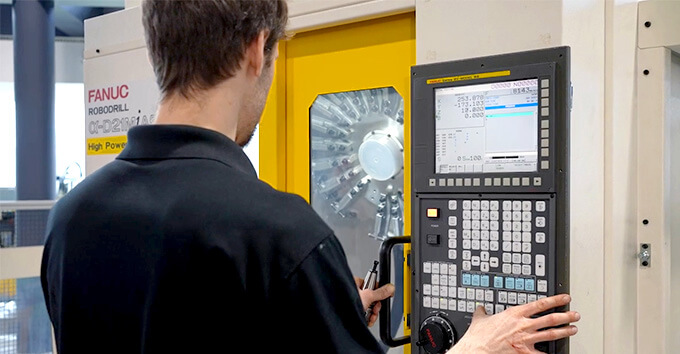 Employers increasingly want students who understand CNC programming, setup procedures, digital manufacturing workflows, troubleshooting, and the CNC controls actually used in their facilities. They want students who can walk into a facility and recognize the technology being used on the production floor.
When evaluating CNC equipment for your CTE program, ask, “Does this reflect what students will encounter after graduation?”
With 65% global market share, FANUC controls are the #1 most widely-used CNC control in manufacturing. Whether on a FANUC machine tool or another brand (Doosan, Tsugami, Citizen, DMG Mori and many others), if your student works in machining, they will be working on a FANUC control. That’s why they should be learning on FANUC CNC in the classroom.
That familiarity helps strengthen the connection between classroom learning and workforce expectations. Your regional employers will be impressed that students are gaining experience with technology that resembles what they use every day. And students will benefit when the skills they’re developing feel relevant and meaningful.
If you’re starting a new CNC class, here’s how you can deliver industry-relevant learning on the most cost-efficient, space-efficient way. The below comprises a beginner CNC set that will teach the fundamentals of machining operations and programming for both mills and lathes.
High school CTE teachers tasked with teaching a broad array of subjects can’t be subject-matter-experts in every industrial technology. That’s why using a curriculum-backed CNC solution is crucial.
FANUC’s CNC curriculum introduces students to machining fundamentals, CNC programming, G-code, tooling, part setup, work offsets, inspection, and manufacturing processes before they ever stand in front of a machine. Students learn the terminology, concepts, and workflows used throughout industry, giving them the foundation needed to succeed in more advanced training.
This approach also helps schools expand access. Instead of waiting for available machine time, entire classrooms can begin learning CNC concepts immediately. Students arrive at the next stage already familiar with the language of manufacturing, making hands-on instruction significantly more effective.
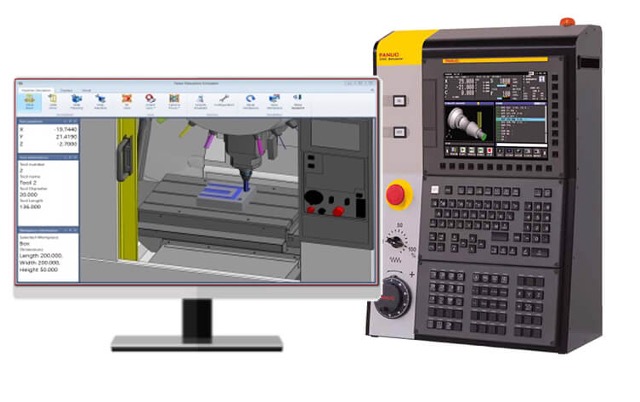
Before jumping onto a live CNC machine, students can practice all the relevant skills on a CNC machining simulator without the risk of crashing a machine.
The FANUC Machining Simulator replicates a mill and lathe and even has pre-loaded digital twins of a number of real CNC machines built in. Students learn to navigate control screens, write and edit programs, set offsets, select tooling, and run programs in a virtual machining environment.
More importantly, students can prove out programs before cutting material. They can identify errors, troubleshoot issues, and understand the impact of programming decisions without crashing a machine, damaging tooling, or wasting material.
By the time students move to physical equipment, they already understand the workflow. Instead of learning how to operate a control and machine at the same time, they can focus on developing machining skills with confidence.
Once students have built foundational knowledge and gained experience through simulation, they are ready to create real parts.
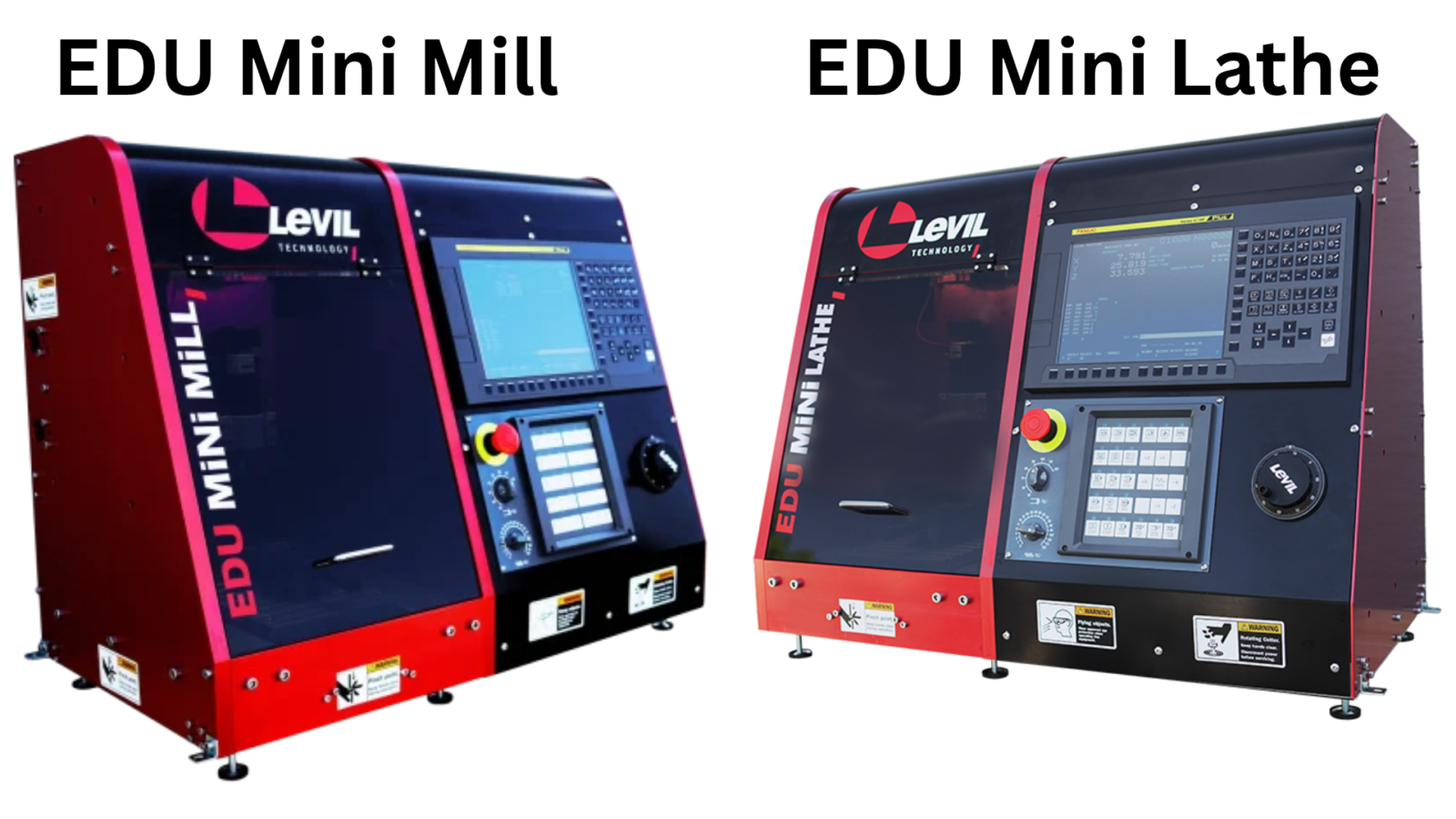 The Levil EDU Mini Mill and EDU Mini Lathe were designed specifically for high school classrooms, providing schools with an affordable and space-conscious way to deliver hands-on CNC training. Unlike desktop hobby machines, these systems utilize industrial FANUC controls, giving students experience on the same control platform used by manufacturers worldwide.
Students can load tools, set work offsets, run programs, machine parts, verify dimensions, and experience the complete manufacturing process from start to finish.
For schools, these machines make it possible to launch a meaningful CNC program without building a full machine shop. For students, they provide something even more important: the opportunity to move from theory to practice using technology that directly supports manufacturing career pathways.
Together, curriculum, simulation, and hands-on machining create a complete learning continuum that helps students build skills progressively while maintaining a clear connection to industry expectations.
If you’re a high school educator interested in building your own CNC machining program, even with limited space and budget, we can help! Contact the team at LAB Midwest to get started.


